Professional flea management for long-term prevention
Most people think about fleas only when they are being bitten. The home goes quiet after a treatment, the worry fades, and a warm spring brings the problem straight back. That cycle is what professional flea management is built to break, by treating fleas as something to keep on top of year-round rather than a one-off emergency. This guide explains what a long-term approach looks like for a Melbourne household, and when professional flea management is worth setting up.
Key takeaways
- A single treatment clears an active problem, but it does nothing to stop fleas being carried back in later.
- Long-term management combines a clean home, treated pets, and the right timing through the warmer months.
- Pets are the main way fleas re-enter, so vet flea control is the foundation of any prevention routine.
- Melbourne’s flea pressure peaks in the warm, humid stretch from spring into autumn, which is when vigilance matters most.
- For homes with pets or past infestations, a scheduled check beats waiting for the bites to start again.

What professional flea management means
The phrase sounds like jargon, so it helps to be plain about it. Professional flea management is the difference between fixing a problem once and keeping it from returning. Two ideas sit at the centre of it.
Treatment versus management
A treatment is a defined event with a start and an end, aimed at an infestation you already have. Management is the ongoing habit of keeping conditions wrong for fleas so a fresh infestation never gets going. One is a repair, the other is upkeep. A household that has been bitten badly once usually wants both, because clearing the problem and preventing the next one are separate jobs.
A plan built around your home
Good management is not a product you buy once. It is a plan shaped around how you live, covering your pets, your floors, your yard, and the time of year. We set it out after seeing the home, because a townhouse with one indoor cat needs a lighter routine than a house with two dogs and a garden. The full method behind it sits in our flea control Melbourne treatment guide, and management simply keeps that standard running.
Why one treatment is not always enough
A well-done flea treatment really does clear a home. The catch is that it cannot stop new fleas arriving the week after, which is where professional flea management takes over. Two reasons explain why the problem returns.
Fleas keep finding a way back in
Fleas hitch a ride on pets, on visiting animals, and on the legs of people who have walked through an infested space. A treated home has no fleas on the day, but it is not sealed against the next dog that visits. Without ongoing care, a clean home is only ever one carrier away from the cycle starting over. That is the gap professional flea management is designed to close.
The life cycle restarts quietly
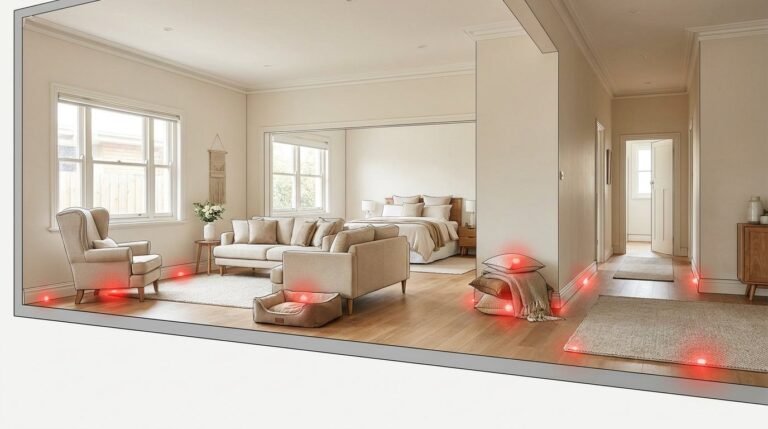
A handful of fleas brought in on a pet can lay eggs within a day or two. Those eggs drop into carpet and bedding, hatch into larvae, and the population builds out of sight for weeks before anyone is bitten. By the time you notice, the home already has a hidden generation in the floors. Steady prevention catches the problem at the few-fleas stage, long before it needs another full flea treatment.
Building a prevention routine
A prevention routine is mostly small, regular habits rather than big effort. Done consistently, they keep a home a poor place for fleas to settle. Three habits do most of the work.
Keep pets and bedding under control
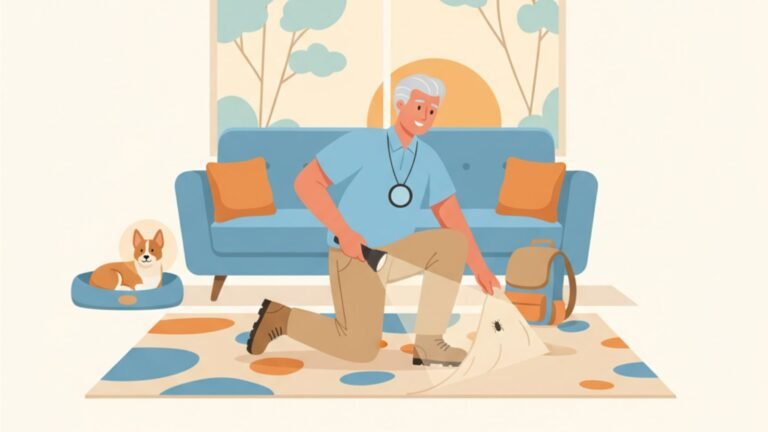
Pets are the front line, so year-round vet flea control on every animal is the single most useful habit in any professional flea management plan. Wash pet bedding on a hot cycle every week or two, since that is where eggs and larvae collect. Vacuum the spots where animals sleep more often than the rest of the house. These steps cost little and remove the conditions fleas depend on to breed indoors.
Watch the yard and the entry points
Fleas survive outdoors in shaded, sheltered ground where pets lie down, so keep grass short and clear leaf litter from those spots. Pay attention to subfloor areas and verandahs, which stay cool and humid. If a stray cat or possum has been resting under the house, that is a likely source. Good flea prevention treats the yard as part of the home, not a separate zone.
Managing fleas across the seasons
Flea pressure in Melbourne is not steady through the year. It rises and falls with the weather, and a sensible routine should rise and fall with it too.
According to the Better Health Channel, fleas spend most of their life cycle as eggs, larvae and pupae in carpets and bedding rather than on the animal, so the home itself has to be treated.
Timing your effort to the warm months
According to Victoria’s Better Health Channel, warm and humid conditions speed up the flea life cycle, so Melbourne infestations build fastest through the warmer months. In practice that means lifting your guard from spring through to autumn, with more frequent vacuuming and a check before summer. Winter is quieter, but heated homes can keep a small population ticking over, so the routine never stops entirely.
When to bring in professional flea management
Not every home needs a managed plan. For some households it is well worth the small ongoing cost, and for others the basic habits are enough on their own.
Homes that benefit most
Ongoing management earns its place in homes with multiple pets, a history of repeat infestations, or a yard that backs onto bushland or laneways where stray animals roam. Rental providers with pet-friendly properties often want it between tenancies. If you have been re-treated more than once, a scheduled seasonal check is cheaper and calmer than another emergency call. We are happy to advise honestly on whether ongoing pest control suits your situation or whether the simple routine will do.
Frequently asked questions
How is flea management different from a flea treatment?
A treatment clears an infestation you already have, while management is the ongoing routine that stops a new one from building. Households that have been badly bitten usually want both.
Why do fleas keep coming back after treatment?
Treatments remove the fleas present on the day, but they cannot stop new ones arriving on pets or visiting animals. Without ongoing prevention, one carrier can restart the cycle.
What is the most important part of flea prevention?
Year-round vet flea control on every pet is the foundation, because pets are the main way fleas re-enter a home. Regular vacuuming and washing pet bedding support it.
When are fleas worst in Melbourne?
Flea pressure peaks in the warm, humid stretch from spring into autumn, when conditions speed up the life cycle. Heated homes can keep a small population going through winter.
Does my home need an ongoing managed plan?
It is most worthwhile for homes with several pets, repeat infestations, or a yard near bushland. For lower-risk homes the basic prevention habits are usually enough.
Ready to set up lasting flea protection for your Melbourne home?
Same-day pet-safe treatment with a 12-month warranty. Get a fixed quote in 2 minutes.
Get My Quote