What a flea control exterminator actually does
Booking a professional for the first time leaves a lot of homeowners unsure what they have actually agreed to. Will the technician be in and out in ten minutes, or will your home be upside down for a day. A flea control exterminator follows a clear three-part process, and once you know the shape of it the visit stops feeling like a mystery. This guide walks through what happens on the day, from the inspection to the follow-up visit, so you know exactly what you are paying for.
Key takeaways
- A flea control exterminator works in three stages: inspection, treatment, then a follow-up visit.
- The inspection finds where fleas breed and sizes the job before any product is mixed.
- Treatment targets carpets, skirting and pet areas so it reaches eggs and larvae, not just adults.
- A second visit is timed to catch pupae as they hatch, which is normal rather than a failure.
- Simple prep like vacuuming and clearing floors lets the treatment do its job properly.
What a flea control exterminator does on the day
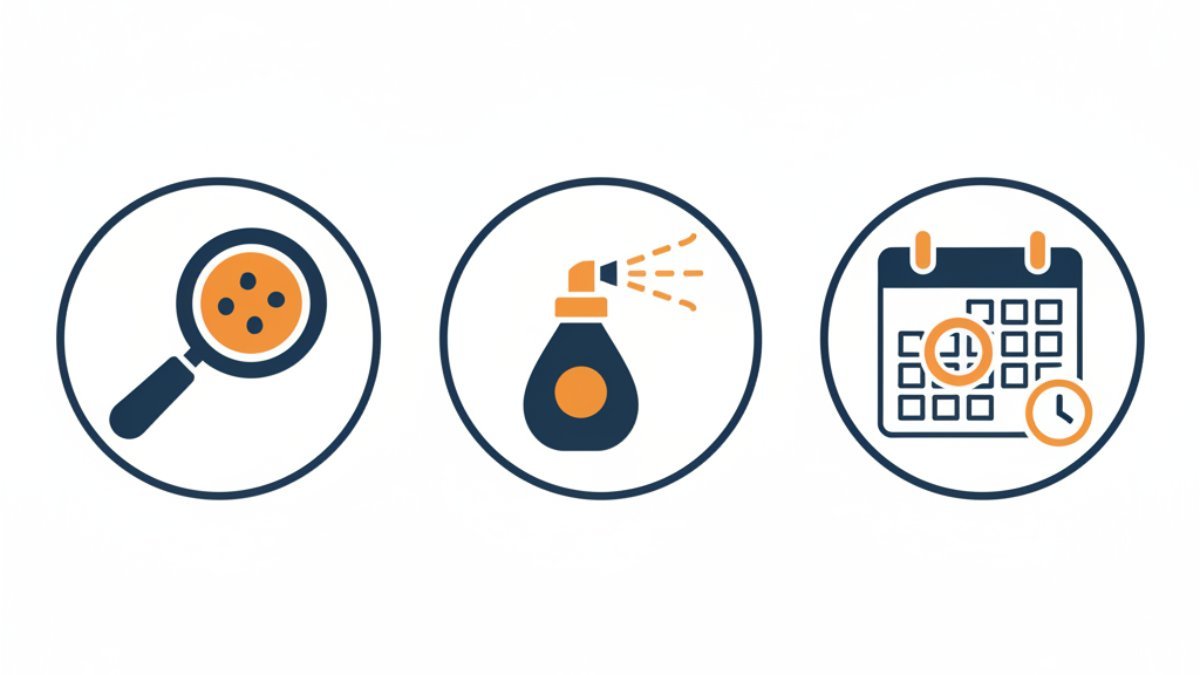
A professional visit is not one long spray. It is a sequence of steps, each with a clear purpose. Three stages make up the work a flea control exterminator carries out.
A clear three-stage process
The visit moves from inspection to treatment to a planned follow-up. Each stage builds on the one before it, so skipping any of them weakens the result. A flea control exterminator who treats your floors without first inspecting them is guessing at the job. We follow the same staged method on every property, and you can read the full reasoning in our flea control Melbourne treatment guide.
How long the visit usually takes
A first treatment for an average Melbourne home runs to roughly an hour, sometimes more if the yard needs covering. The technician needs that time to inspect properly and apply product where it counts. A rushed twenty-minute job is a sign of corner-cutting, and thorough pest control is never that quick. Plan to be out of the treated rooms until surfaces dry, which is usually a few hours rather than a full day.
Step one: the inspection
The inspection is the part that makes the rest of the visit work. It is short, but everything the technician does next depends on it. Here is what a flea control exterminator checks first.
Walking the property
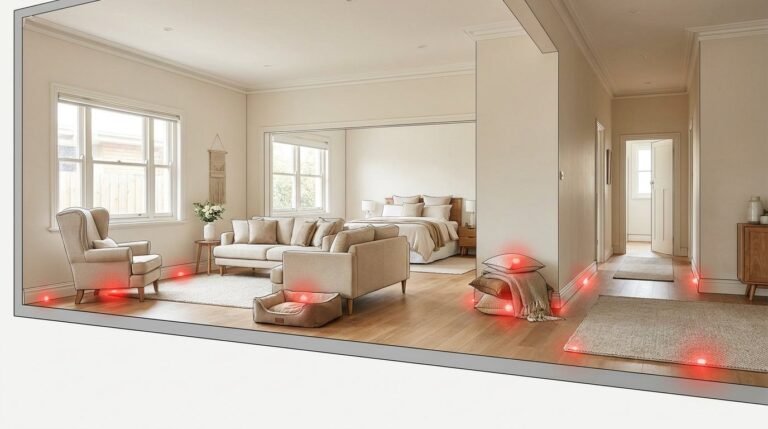
Before mixing anything, the technician walks the home and yard. They look at where pets sleep, the edges of carpets, gaps under beds and shaded outdoor spots. These are the places eggs and larvae collect. That walk-through tells the exterminator where the flea infestation really lives, which is rarely the same as where you have noticed the bites.
Sizing the job honestly
The inspection also decides the scale of the treatment. A single affected bedroom is a different job from a whole house with an infested yard. A good technician tells you plainly which one you have, and prices the work to match. An honest assessment here protects you from paying for a full-property treatment when one room and a vacuum would clear the problem.
Step two: the treatment
With the inspection done, the technician moves to the actual treatment. This is where professional method pulls clear of a supermarket spray. The aim is simple: reach every flea stage, not just the adults.
Where the product goes
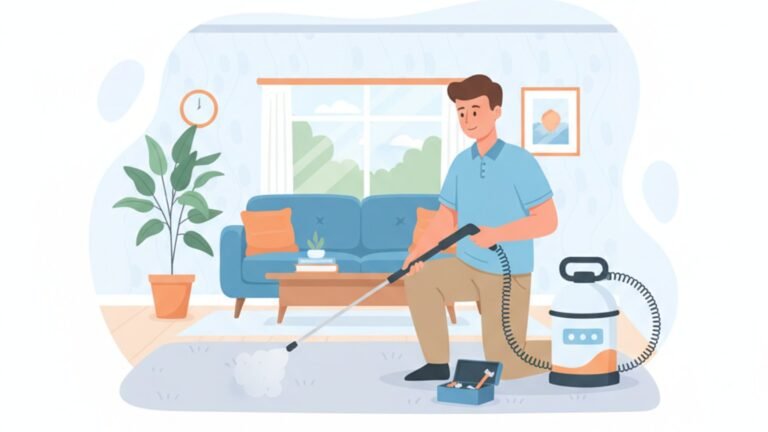
The technician applies treatment into carpet pile, along skirting boards, under furniture and across pet resting areas. Those are the spots where larvae shelter and eggs sit waiting. Targeted placement is the point of the job, because misting the open air reaches almost nothing. A flea control exterminator works the product into the surfaces fleas actually use.
Why the products work on the whole life cycle
A professional flea treatment usually combines an adult knockdown product with an insect growth regulator. The first clears the fleas biting now, and the second stops eggs and larvae from maturing. Covering two stages is what makes the treatment hold, where a single-action supermarket can only quietens the problem for a week. The yard, if infested, gets its own pass so it cannot reseed the house.
Step three: the follow-up visit
A single treatment is rarely the end of the story, and a good operator says so upfront. The follow-up visit is a planned part of the job, not an admission that something went wrong.
According to the Better Health Channel, warm, humid conditions speed up the flea life cycle, so Melbourne infestations build fastest through the warmer months.
Why a second visit is normal
Flea pupae sit in a tough cocoon that survives the first treatment and can wait weeks before hatching. According to the Better Health Channel, a flea problem is only cleared when both the pet and the household environment are treated, because the immature stages live in floors and soft furnishings. A return visit by the flea control exterminator is timed to catch that hatch before the new adults breed, which is why most reputable jobs include it in the price.
How to prepare your home for the exterminator
A little preparation makes a real difference to how well the treatment lands. None of it is heavy work, and the technician will confirm the details when you book.
Simple prep that helps the treatment land
Vacuum carpets and floors thoroughly the day before, since this lifts the carpet pile and prompts pupae to hatch where the product can reach them. Wash pet bedding on a hot cycle and clear small items off the floor so the technician can treat skirting and corners. Arrange for pets and people to be out for a few hours while surfaces dry. A flea control exterminator will give you a short prep list, and following it closely is the easiest way to get a clean result first time.
Frequently asked questions
What does a flea control exterminator actually do?
They inspect the home to find where fleas breed, treat carpets and pet areas to reach every life stage, then return for a timed follow-up visit to catch newly hatched fleas.
How long does a flea treatment visit take?
A first treatment for an average Melbourne home takes around an hour, a little longer if the yard needs covering. You then stay out of treated rooms until surfaces dry, usually a few hours.
Do I need to be home during the treatment?
You need to let the technician in and talk through the inspection, but people and pets should be out of treated rooms while surfaces dry. The technician will confirm timing when you book.
Why does the exterminator need a second visit?
Flea pupae survive the first treatment and hatch days later. A second visit is timed to catch that wave before it breeds, so it is a planned step rather than a sign of failure.
How should I prepare my home for the exterminator?
Vacuum floors, wash pet bedding on a hot cycle, clear small items off the floor, and plan to be out for a few hours. The technician gives you a short prep list at booking.
Ready to book a flea control exterminator for your Melbourne home?
Same-day pet-safe treatment with a 12-month warranty. Get a fixed quote in 2 minutes.
Get My Quote