

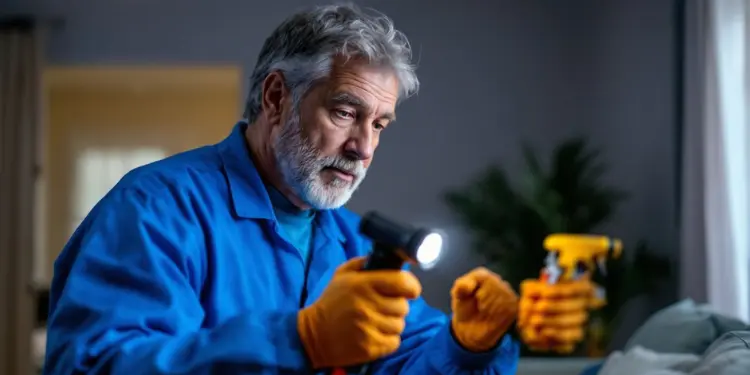
Discovering fleas in your dwelling can be bothersome. These minuscule nuisances nibble on humans and pets. This piece will guide you on how to halt their proliferation with the help of a professional flea exterminator. Let’s conquer the flea predicament collectively!
Key Takeaways
- Fleas can affect humans and pets, leading to discomfort or hypersensitivity reactions. They are also potential disease carriers.
- In Melbourne, the prevalent flea varieties include those that prefer cats, dogs, humans, and rodents.
- Regular vacuuming and laundering pet bedding in high-temperature water are effective in managing flea presence in domestic settings.
- Expert pest controllers employ targeted techniques to eliminate fleas across all developmental phases.
- Maintaining cleanliness in your dwelling and employing prophylactic solutions can prevent flea reinfestation.
Signs of Flea Infestation

Pets tend to scratch excessively when infested with fleas. You could also notice minor, irritated red bumps on your own skin. These bite marks alongside the presence of dark granules, indicative of flea excrement, confirm the existence of these pests.
A close examination may even reveal minute jumping creatures. Fleas vary in size from 2 to 10mm, typically averaging around 2.5mm. Astonishingly, they have the ability to leap as high as 18cm and as wide as 33cm!
Health Risks Associated with Fleas
Fleas might be small, but their impact on health can be significant. These little creatures are known to bite, causing itchiness or developing into a rash. Certain individuals may experience allergic dermatitis from flea bites, characterised by intense skin discomfort and inflammation.
But the hazards posed by fleas go beyond mere skin irritations; they are also carriers of diseases such as the plague, typhus, tungiasis, and bartonellosis. It’s as ominous as it sounds – these conditions can have grave consequences.
Pets too, find fleas to be a significant concern. By feeding on their blood, fleas can weaken pets or even lead to anaemia in extreme cases. If a pet appears constantly lethargic or displays pale gums, it is possible that fleas are the culprit.
Moreover, for those in the house who have asthma, the presence of fleas can exacerbate the condition, inciting more frequent asthma episodes. Therefore, it’s not just about alleviating itchiness; preventing fleas is integral to maintaining good health too.
Next, we delve into various kinds of fleas found in Melbourne…
Major Flea Species in Melbourne
Being aware of the variety of fleas helps to manage them more effectively. In Melbourne, certain species are more prevalent. Here is an overview:
- Feline Flea (Ctenocephalides felis) – This flea species is the most common one found in residences. It typically targets cats but won’t shy away from dogs and humans either.
- Canine Flea (Ctenocephalides canis) – Despite its moniker, it doesn’t occur as frequently as the feline flea. It primarily resides on dogs and isn’t averse to occasionally biting humans.
- Homo Sapien Flea (Pulex irritans) – This flea variety has a preference for humans but is also known to live on pigs and dogs.
- Rodent Flea (Xenopsylla cheopis) – Infamous for spreading diseases such as the plague, it primarily feeds on rodents but can also target humans.
Each of these species favours humid, shaded regions, and passes through four stages of life: egg, larva, pupa, and adult. Their lifespan can vary from several weeks to months, contingent on the environmental conditions.https://www.youtube.com/watch?v=lBdlMI-HaYk
Importance of Professional Flea Exterminator Melbourne
The process of flea elimination isn’t solely about administering indoor pesticides. It calls for specialists who possess a clear understanding of the task. Accredited practitioners from reputable pest control firms wield the appropriate equipment and expertise.
They can discern the hiding spots of fleas and promptly neutralise them. Consequently, your residence is thoroughly rid of fleas, with no areas left unchecked.
Fleas reproduce at a rapid rate and can swiftly re-infest if not handled appropriately. That’s the reason for the necessity of an expert well versed in both animal and environmental flea management.
Professional operators act immediately to prevent a re-emergence of the flea population. Following, let’s delve into the methodology these experts use in managing flea invasions sequentially.
Comprehensive Flea Treatment Process
Your living space can be invaded by hard-to-eliminate flea infestations. Implementing a holistic strategy is essential to deal with fleas across all their life stages.
- Conduct a thorough examination of your residence. Look for any indications of fleas on your pets, their bedding, and your floors.
- Vacuum all surfaces and furnishings. This activity helps in eliminating fleas, their eggs, and larvae.
- Launder your pet’s bedding in hot water. This practice effectively eradicates any surviving fleas.
- Seek guidance from a qualified veterinary practitioner regarding the treatment of your pet. Ensure to align this with your pest control initiatives for optimal outcomes.
- Employ the services of a licensed expert such as Flea Control Melbourne. They adhere to Australian guidelines for secure treatment.
- Initiate the application of chemical solutions and proceed to vaccum once more. Jim’s approach is designed to deal with fleas at every stage of their life cycle.
- Flick Pest Control may possibly incorporate an insect growth regulator (IGR) along with an adulticide.
- Dawson’s Australia provides the option of availing their services on the same day to manage urgent infestations.
Following this, preventive steps are crucial to maintain your home free of fleas.
Preventative Measures for Flea Control
After gaining knowledge on how to treat fleas, it’s crucial to prioritise their re-entry prevention. Making your home a flea-free zone ensures its safety and comfort. Here are some steps:
- Monitor pets for fleas regularly. Utilise a flea comb and be observant of itching indications.
- Maintain cleanliness in your home. Run the vacuum over carpets, furniture, and floors every week.
- Clean pet bedding in high-temperature water weekly. This is effective in exterminating fleas and their eggs.
- Make use of flea prevention products on pets monthly. Consult a vet for the most suitable choices.
- Secure openings that might allow wildlife into your home. These creatures are potential carriers of fleas.
- If you spot fleas outdoors, consider employing flea control treatments in your yard.
- Declutter your house and yard to minimise potential flea hiding places.
By adhering to these measures, you can effectively deter fleas from claiming your abode.
Supplementary insights on Flea Extermination
Fleas are elusive pests. They can conceal themselves in your carpets and furniture, making it challenging to detect them immediately. Our insights will assist you in recognising fleas in your home effortlessly. You’ll also find responses to common questions about flea management… such as why it’s wise to hire a professional exterminator.
How to Identify Fleas in Your Home
Check your pet’s bedding and carpets for indications of fleas. Use a fine-toothed comb on your pets to discover any fleas concealed in their fur. Fleas typically measure 2-10mm in length, depending on the species.
Their bodies are flat and they have no wings. They can jump significant distances, making them hard to catch.
Look for bites on your skin or dark specks that resemble dirt—this is flea waste. If you see jumping insects or notice these signs, an infestation may be present. Act promptly to manage the issue before it escalates.
Common Questions about Flea Control
Flea infestations are common, especially in homes with pets. Many people ask how to identify them. Look for signs like flea bites on your skin or your pet’s scratching. You might also notice small black specks, which are flea droppings.
Another frequent question involves health risks. Fleas can cause itchy bites and may lead to allergic reactions. Pets can suffer from anaemia due to blood loss from fleas as well. Engaging a professional exterminator is wise to manage these pests effectively and protect your pet’s health.
Why Choose a Professional Flea Exterminator
Professional flea exterminators offer numerous advantages. They are certified technicians with expertise in pest management. Services from companies like Dawson’s Australia have over 60 years of knowledge.
Their teams are licensed and insured, ensuring safe treatment for your home.
Utilising experts means efficient pest extermination. Companies like Flick Pest Control provide a 12-month warranty and monthly payment options as well. Opting for professionals helps you eradicate fleas swiftly and safely…
Now, let’s look at the signs of a flea infestation.
Choosing the Right Flea Exterminator in Melbourne
Choosing the right flea exterminator in Melbourne is essential to solving your flea problem. Look for professionals with positive reviews and reliable methods to ensure effective treatment.
Flea Control: Effective Solutions to Eliminate Pests in Melbourne
Fleas are a persistent problem in many Melbourne homes, affecting both pets and humans. These tiny, wingless insects can spread quickly, causing discomfort and potential health risks. Whether you’re dealing with a cat flea or dog flea infestation, knowing how to effectively manage the issue is critical. At FleaControlMelbourne.com, we provide professional solutions to eliminate pests and ensure your home remains flea-free.
In this article, we’ll dive into the flea life cycle, how to identify infestations, and the best ways to prevent future problems. Let’s get started!
Table of Contents
- What Are Fleas and Why Are They a Problem?
- Identifying the Common Flea Species in Melbourne
- Understanding the Flea Life Cycle
- How Fleas Impact Humans and Pets
- Effective Pest Solutions to Control Fleas
- Steps to Prevent Future Infestations
- Indoor and Outdoor Treatments for Fleas
- Professional Flea Control Services vs DIY Methods
- Tips for Ongoing Flea Management
- Why Choose FleaControlMelbourne.com?
What Are Fleas and Why Are They a Problem?
Fleas are tiny, oval-shaped parasites that primarily feed on warm-blooded animals like pets and humans. Their flat bodies and six legs allow them to move easily through fur, and they can jump long distances to reach new hosts. These pests are particularly problematic because they can transmit diseases, such as tapeworm, and cause skin irritation or allergies.
Even homes without pets can face infestations, as fleas can enter through clothing, visitors, or outdoor areas. Once inside, they hide in cracks and crevices, making them difficult to eliminate without professional help.
Identifying the Common Flea Species in Melbourne
Cat Flea vs Dog Flea
The cat flea (Ctenocephalides felis) is the most common flea species found in Melbourne, but dog fleas can also infest homes. Both types of fleas are small, wingless, and feed on the blood of their hosts.
Key Signs of an Infestation
- Flea bites: Red, itchy marks, often found around ankles or on pets.
- Flea dirt: Black specks on bedding or fur, which are flea droppings.
- Pets scratching: Your pet may excessively scratch, indicating discomfort.
- Fleas visible to the naked eye: Although fleas are small, they can often be spotted jumping on pets or furniture.
Understanding the Flea Life Cycle
The flea life cycle has four stages: egg, larva, pupa, and adult. Breaking this cycle is key to effective flea control.
- Eggs: Female fleas lay hundreds of flea eggs, often on hosts or in their environment. These eggs are tiny and difficult to spot.
- Larvae: Eggs hatch into larvae, which feed on organic debris and flea droppings.
- Pupa: The pupal stage is when fleas cocoon themselves, making them resistant to many treatments.
- Adult Fleas: Once emerged, adult fleas feed on blood to reproduce and continue the cycle.
Interrupting this egg-to-adult progression with targeted treatments is crucial.
How Fleas Impact Humans and Pets
Health Risks for Pets
Fleas can cause severe discomfort for pets, leading to skin issues like rashes or even hair loss. Additionally, they may carry tapeworm, which can infect animals.
Health Risks for Humans
While fleas primarily target animals, they can feed on humans too, leaving itchy bite marks. In rare cases, fleas may transmit diseases, making them a significant health concern.
Effective Pest Solutions to Control Fleas
1. Inspection and Identification
A thorough inspection of your home is the first step. Professionals assess the property to identify the severity of the infestation, locating fleas in cracks and crevices or on hosts.
2. Targeted Treatments
- Spray Treatments: Specialised sprays are applied to affected areas to kill fleas at all stages of their lifecycle.
- Host Treatments: Pets may require vet-recommended flea shampoos or topical solutions.
3. Indoor and Outdoor Measures
Since fleas can thrive both indoors and in outdoor areas, it’s essential to address both environments.
| DIY Methods | Professional Flea Control Services |
|---|---|
| May only target surface areas | Eliminates fleas at all lifecycle stages |
| Inconsistent results | Reliable and long-lasting |
| Requires regular effort | One-time professional treatment |
| Costs less upfront | Greater value in the long term |
Steps to Prevent Future Infestations
1. Regular Cleaning
- Vacuum carpets, clean furniture, and wash pet bedding frequently.
- Dispose of vacuum bags immediately to prevent reinfestation.
2. Protect Your Pets
- Use flea collars or vet-approved topical treatments on pets regularly.
- Check for fleas during grooming to catch problems early.
3. Outdoor Maintenance
Fleas often hide in shady, moist areas of your yard. Mow your lawn and remove debris to reduce potential flea habitats.
Indoor and Outdoor Treatments for Fleas
Indoor Treatments:
- Use flea sprays or powders designed for carpets and furniture.
- Seal cracks and crevices where fleas might hide.
Outdoor Treatments:
- Apply flea-specific outdoor sprays to shaded areas.
- Focus on spots where your pets often rest or play.
Professional Flea Control Services vs DIY Methods
While DIY flea control can provide temporary relief, it’s rarely effective for long-term eradication. Professional services offer reliable solutions to kill fleas and prevent reinfestations. At FleaControlMelbourne.com, we use advanced techniques to ensure your home stays pest-free.
Tips for Ongoing Flea Management
- Monitor Pets Regularly: Look for signs of fleas during grooming sessions.
- Maintain a Clean Home: Regular cleaning can reduce flea habitats.
- Schedule Regular Inspections: Professional assessments can catch problems early.
Why Choose FleaControlMelbourne.com?
At FleaControlMelbourne.com, we understand how frustrating flea infestations can be. Our professional service ensures a tailored approach to your home’s needs, whether for residential or commercial properties. With our expertise, you can trust us to deliver safe, effective results every time.
Key Takeaways
- Fleas are a persistent problem in Melbourne, affecting both pets and humans.
- Understanding the flea life cycle is crucial for effective treatment.
- Professional services are the most reliable way to eliminate pests.
- Preventative measures, like regular cleaning and pet treatments, are essential.
For professional, reliable flea control, contact FleaControlMelbourne.com today!
Conclusion
Getting rid of fleas is essential for your home and pets. A professional flea exterminator in Melbourne can assist you in removing these pests effectively. With years of experience, they understand how to manage infestations properly.
Choose a trustworthy service like Flea Control Melbourne for optimal results. Enjoy a pest-free environment and keep your family secure from fleas!
FAQs
1. What does an expert flea exterminator do in Melbourne?
An expert flea exterminator identifies and removes fleas from homes or businesses. They use effective pest control methods to eliminate infestations quickly.
2. How can I tell if I have a flea infestation?
Signs of a flea infestation include itchy bites on your skin, seeing fleas on pets, or finding small black specks (flea dirt) around your home.
3. Why should I hire a professional for flea control?
Hiring a professional ensures proper treatment… Experts know the best products and techniques to effectively get rid of fleas while keeping your family safe.
4. How long does it take to get rid of fleas completely?
The time needed varies based on the severity of the infestation… Typically, with expert help, you can see results within days but complete eradication may take longer depending on conditions.
