

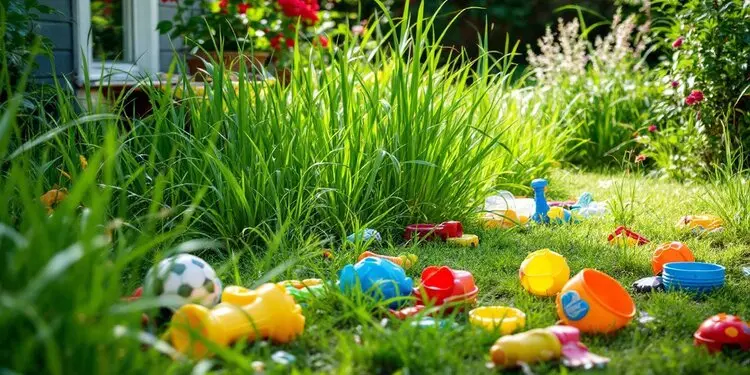
Fed up with fleas in your yard? Only 10% are adult fleas! Learn how to control fleas in yard and reclaim your outdoor space. Ready to fight back?
Key Takeaways
- Maintain a tidy garden to deter fleas. Trim the grass and dispose of debris consistently.
- Employ natural remedies such as diatomaceous earth and cultivate plants like lavender that repel fleas.
- Opt for pet and wildlife-friendly insecticides if considering chemical options.
- Administer flea treatment to your pets concurrently with garden treatments to prevent new infestations.
- Consistently inspect pets and areas in the garden that are prone to flea concealment to ensure they remain flea-free.
Identifying Flea Infestations in Your Yard

Recognising pests in your garden begins with understanding where to investigate. Survey areas where your animals tend to gather, as these locations frequently harbour insects anticipating a host.
Signs of flea activity
Parasites may be small in stature but can create substantial issues in your backyard. Recognising them requires careful observation:
- Increased scratching by your animals might indicate the presence of these pests, as they cause skin irritations.
- Identifying parasite debris, which can resemble small, black specks, in your pets’ bedding or lounging spots could be a telltale sign.
- Wearing white socks and strolling through shadowy areas might aid in detecting these pests if they decide to hitch a ride on you.
- A minuscule percentage, less than 5%, of these pests reside on pets. Therefore, spotting a few could potentially indicate the presence of hundreds more.
- The presence of these pests can result in tiny erythematous spots on your or your pets’ skin.
- Search for white parasite eggs or minuscule, worm-like larvae in dark, damp locations.
- These pests prefer cool, shaded areas, such as under leaves, decks, or bushes.
- Spotting fully matured parasites is a definitive clue; remember that only 10% mature means numerous more eggs and larvae concealed.
Common hiding spots for fleas
Fleas flourish under warmer conditions and favour particular zones in your back garden. They stick close to where pets relax, approximating a distance of 20 metres. Here are their frequent hideouts:
- High grass – Fleas seek refuge in tall grass, lying in wait for pets or humans.
- Under-canopy areas – These areas remain cool and damp, optimal for flea habitation.
- Rubbish accumulations – Accumulated leaves or grass bits provide excellent cover for fleas.
- Sand and gravel – Fleas deposit their eggs in sandy soil where pets frequently repose.
- Outdoor furniture – From underneath chairs or tables, they leap onto pets or people.
- Wall boundaries and garden perimeters – Pets lounging in these places draw fleas.
- Spaces in decking – Minute gaps are perfect breeding and dwelling spots for fleas.
- Kennels or pet enclosures – These are top spots given the frequency of the pets’ presence.
Habitual lawn trimming and decluttering, such as leaf clean-up, can contribute to flea prevention. Spreading cedar chips around your garden can also act as a repellent, making your yard less hospitable for fleas.
Natural Remedies for Flea Control
Combatting fleas in the garden doesn’t always necessitate potent chemicals. Eco-friendly solutions can provide equal efficacy, presenting a less harmful preference for both pets and humans.
Use of diatomaceous earth
Diatomaceous earth serves as a secure method to eliminate fleas from your yard, provided you utilise the food-grade variety. It performs effectively but is susceptible to being washed off by rain, necessitating a reapplication post-rainfall.
This technique poses no threat to humans or pets.
Mindfulness is required around flora and bees, as diatomaceous earth can have an adverse effect on beneficial insects as well. As soon as the weather is dry, best practices include reapplying it to maintain a flea-free yard.
Planting flea-repelling plants
Cultivating certain flora can act as a deterrent against fleas. Catnip, Chamomile, and Citronella are all viable options, as well as Chrysanthemums, Lemon Grass, Mint, Rosemary, Lavender, and Spearmint.
These flora offer the dual benefit of aesthetic appeal while deterring the entry of fleas in your yard.
Consider visiting a horticulture outlet to gain insights into the use of nematodes. Nematodes prey on flea larvae but don’t cause damage to your garden or domestic animals. They offer a harmless alternative to chemicals.
By opting for these plants and nematodes, you naturally transform your garden into a space that’s less inviting for fleas.
Chemical Treatments for Effective Flea Eradication
Chemical treatments can efficiently manage flea problems. Choose insecticides that are safe for your pets and garden.
Selecting safe insecticides
Selecting safe insecticides is essential for flea control. Choose products that have low toxicity to pets and wildlife. Spinosad is a safer option, but it can be harmful to bees when wet.
Alternatives like beneficial nematodes and boric acid are good choices, too. They help with flea extermination without posing risks to the environment.
Read the label carefully before use. Follow application tips for effectiveness and safety. The Environmental Protection Agency offers guidelines on how to apply these chemicals safely.
Keeping your yard clean and pest-free requires attention now!
Application tips for maximum effectiveness
Effective use of insecticides is essential to getting rid of fleas. These tips will help you achieve better results.
- Choose topical flea treatments for pets instead of oral ones. Topicals work faster and are easier to apply.
- Use aerosol sprays over foggers. Aerosols target specific areas better and reduce chemical exposure.
- Treat pets and the yard at the same time. This helps kill fleas where they live and prevent new infestations.
- Apply insecticides during dry weather. Rain can wash away treatments, making them less effective.
- Follow instructions on the label closely. Each product has specific guidelines for application and safety measures.
- Mow your lawn before treatment. Short grass allows for better contact with the insecticide.
- Clear debris from your yard, such as leaves or sticks, before applying any treatments. Fleas hide well among the clutter.
- Spread cedar chips after applying insecticide as a natural barrier against fleas. They have a repelling effect that enhances results.
- Treat shaded areas and under bushes thoroughly, as these are common hiding spots for fleas.
- Repeat treatments as recommended on product labels to maintain effectiveness against flea reinfestation.
Taking these steps makes pest control much more efficient in your yard!
Preventative Measures to Avoid Flea Reinfestation
Maintain your yard’s cleanliness. Regularly mow the lawn, clear away debris, and dispose of leaf litter. This creates a less favourable environment for fleas to settle and reproduce. Additionally, ensure you treat your pets consistently for fleas. This helps prevent them from being a source of new infestations in your home.
Regular yard maintenance
Regular yard maintenance helps keep your outdoor space healthy and free from fleas. A tidy yard makes it harder for fleas to thrive.
- Trim bushes regularly. This allows light and air to reach the ground, reducing flea hiding spots.
- Cut the grass often. Keep it short to prevent fleas from nesting in tall grass.
- Clear away leaves and debris. Fleas love hiding in cluttered areas, so remove all rubbish.
- Spread cedar chips around the garden. Cedar naturally repels fleas, creating a barrier against them.
- Build barriers around your yard. Use fences or gates to limit wildlife access and reduce flea chances.
- Avoid overwatering plants. Standing water attracts fleas and other pests, so only water when needed.
- Inspect shaded areas closely. Fleas prefer darkness; this is where you may find them resting.
These practices promote a flea-free yard while ensuring a safe environment for pets and wildlife, too!
Safe practices to protect pets and wildlife
Maintaining a safe garden helps protect both pets and wildlife from fleas. Following good practices lowers the risk of flea problems.
- Keep your garden clean. Regularly remove leaves, grass clippings, and debris. This limits flea hiding spots.
- Water wisely. Avoid overwatering lawns and gardens. Wet areas attract fleas and pests.
- Treat pets for fleas. Use vet-recommended flea treatments on your pets regularly to keep them safe.
- Create a pet-free zone in the garden. Designate areas where pets cannot roam freely, especially when applying treatments.
- Use natural repellents, like diatomaceous earth, around the garden. It is safe for pets and wildlife while keeping fleas at bay.
- Plant flea-repelling plants such as lavender or rosemary in your garden. These fragrant plants help deter fleas naturally.
- Evict wildlife humanely if they invade your garden often, as they can carry fleas that lead to infestations in your home.
- Monitor pets for signs of itching or discomfort every week to catch any flea issues early.
- Wash pet bedding regularly in hot water to eliminate hidden eggs or larvae that might be lurking there.
- Educate yourself about flea-borne diseases like typhus and bubonic plague to understand the health risks for both pets and wildlife.
Keeping these practices in mind ensures pet and wildlife safety while preventing flea reinfestation in your garden.
Conclusion
Controlling fleas in your yard is vital. Use natural remedies and safe chemicals for the best outcomes. Keep your yard tidy, so fleas have fewer places to conceal themselves. Treat your pets simultaneously to prevent reinfestations.
With these approaches, you can enjoy a flea-free yard!
FAQs
1. What are effective ways to control fleas in my yard?
To control fleas, regularly mow your lawn and remove debris. Use flea sprays or granules designed for outdoor use. Consider introducing beneficial nematodes—they target flea larvae.
2. How do I know if I have a flea problem in my yard?
Look for signs like pets scratching often or finding fleas on them. You might also see tiny dark specks—flea dirt—on grass or surfaces where pets rest.
3. Are there natural treatments to get rid of fleas?
Yes, you can try diatomaceous earth—it’s safe and can help kill fleas by drying them out. Essential oils like lavender and cedarwood may also repel these pests when diluted properly.
4. How often should I treat my yard for fleas?
Treat your yard every few weeks during peak flea season—typically spring through autumn—to keep the population under control and prevent re-infestation.
